
Important To Think about Your Health During Cervical Health Month
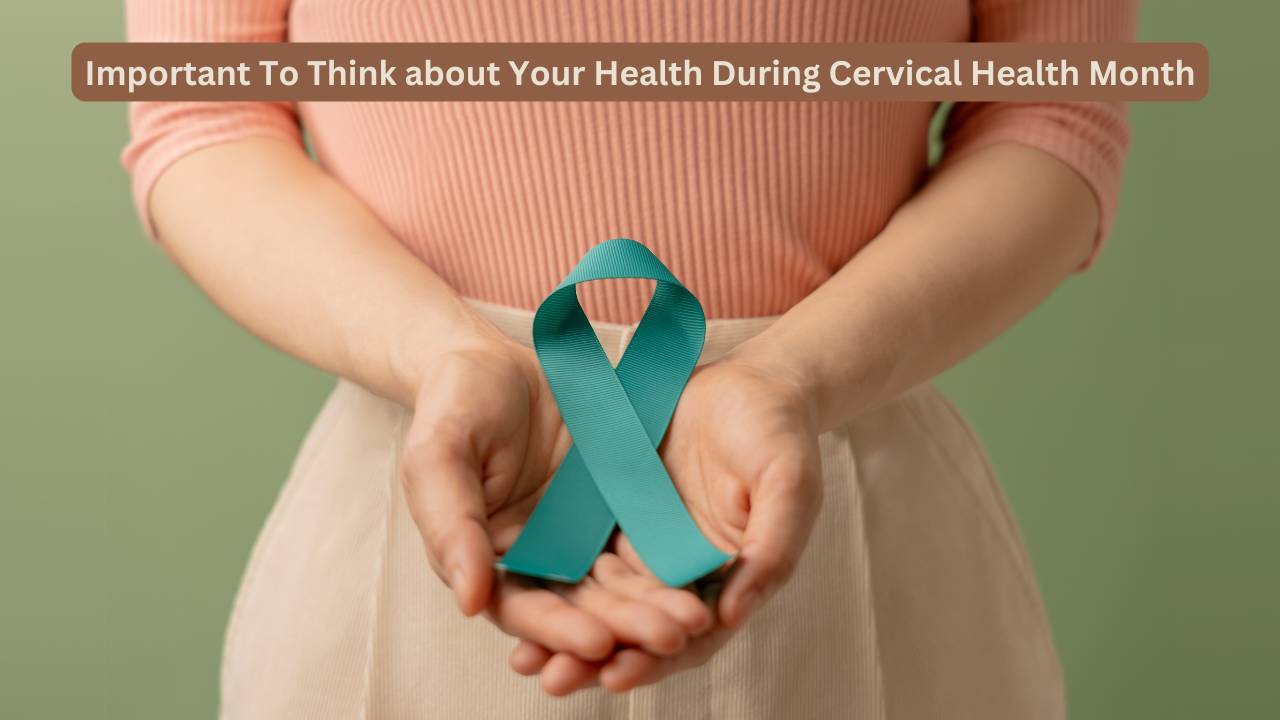
January is Cervical Health Awareness Month, a time to encourage women to take proactive steps toward maintaining their health and well-being. Cervical cancer, a condition that was once a leading cause of cancer deaths for women in the United States, can now be effectively prevented and treated when caught early. This month serves as a reminder to prioritize regular screenings, vaccinations, and education about cervical health, particularly for women of all ages.
Understanding Cervical Cancer
Cervical cancer develops in the cells of the cervix—the lower part of the uterus that connects to the vagina. Most cervical cancers are caused by the human papillomavirus (HPV), a common virus transmitted through sexual contact. HPV is so prevalent that nearly all sexually active people will contract it at some point in their lives, but in most cases, the body's immune system clears the virus before it causes any harm.
However, when the virus persists, it can lead to abnormal cell changes in ...
National Glaucoma Awareness Month: When You Focus on Vision
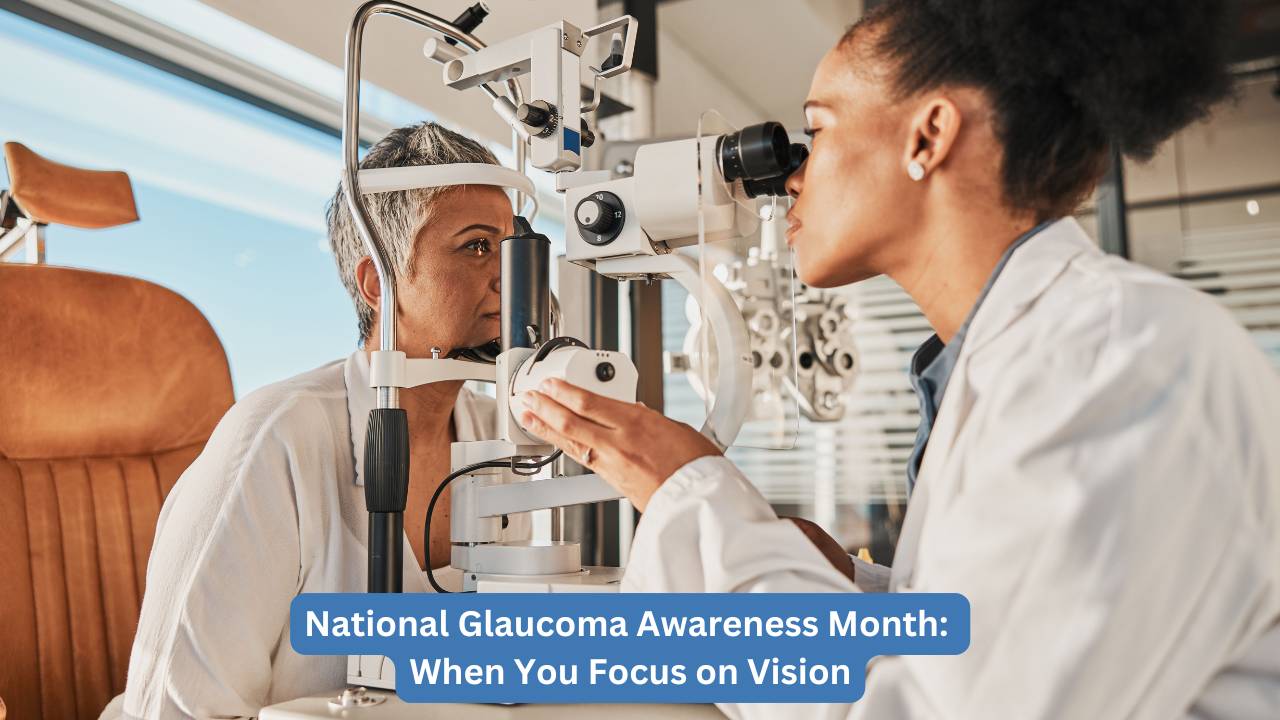
January marks National Glaucoma Awareness Month, a time to bring attention to a condition that affects millions of people worldwide, particularly women. Glaucoma, often called the "silent thief of sight," is a group of eye diseases that damage the optic nerve, leading to irreversible vision loss if left untreated. For women who are more likely to experience certain risk factors, awareness, and early detection are key to preserving vision and overall eye health.
Understanding Glaucoma
Glaucoma is often characterized by increased pressure in the eye (intraocular pressure) that gradually damages the optic nerve, which is responsible for transmitting visual information from the eyes to the brain. The most common type of glaucoma, open-angle glaucoma, progresses slowly, and symptoms may not appear until significant vision loss has occurred. This is why glaucoma is often called the "silent" condition—many people are unaware they have it until the later stages.
Why Glaucoma Matters f...
Honoring Martin Luther King Jr.: A Call to Better Health

As we commemorate Martin Luther King Jr. Day in 2024, we remember a man whose legacy of justice, peace, and equality inspires generations. Dr. King’s vision for a better world was about social change and the well-being of individuals and communities. His message reminds us that true progress comes when we care for the whole person—mind, body, and spirit. As we reflect on his legacy, let us also consider how we can embrace health and wholeness.
Spotlight on Thyroid Awareness Month: Seize Control of Your Health
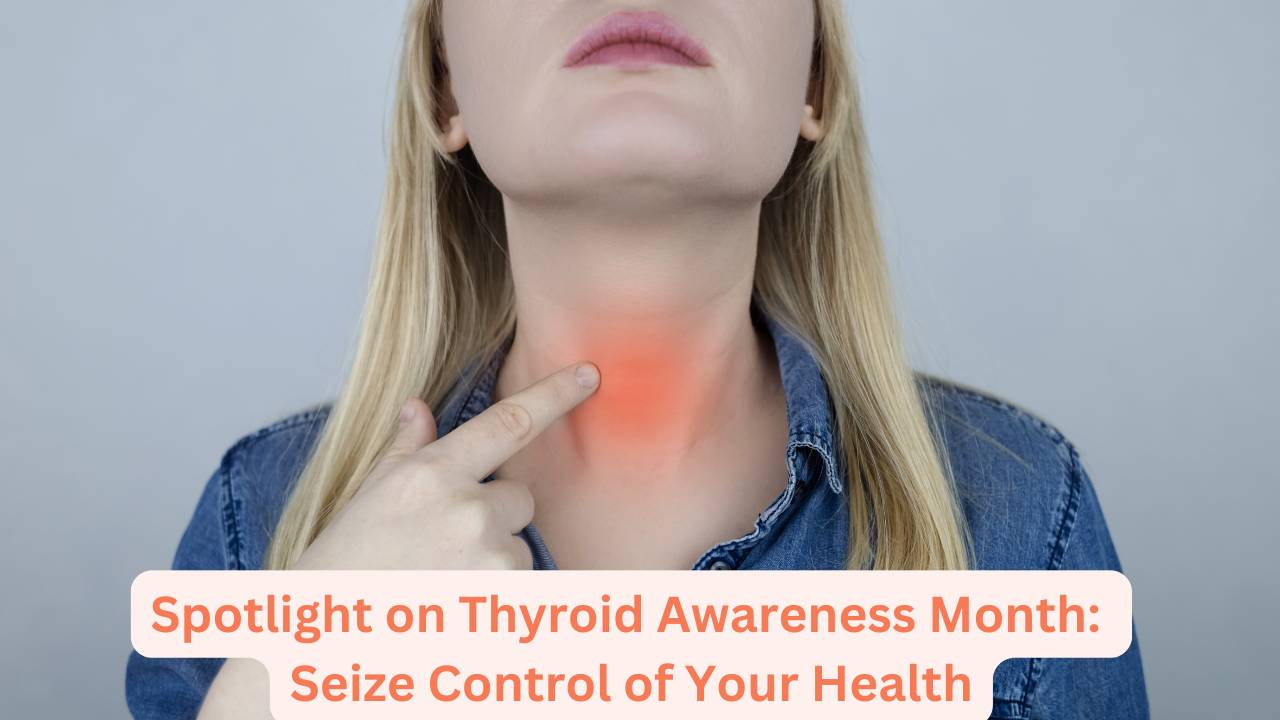
January is Thyroid Awareness Month—a time to shed light on a vital yet often overlooked part of our health, especially for women. The thyroid, a small butterfly-shaped gland in the neck, regulates metabolism, energy, mood, and overall well-being. When the thyroid is not functioning properly, it can lead to a variety of health challenges that disproportionately affect women, including weight changes, fatigue, depression, and hormonal imbalances.
Understanding Thyroid Health
The thyroid produces hormones that regulate many of the body's systems, including heart rate, body temperature, and how efficiently you burn calories. You may not even think about it when it works as it should. But when it malfunctions, it can cause conditions such as hypothyroidism (underactive thyroid) or hyperthyroidism (overactive thyroid). Both conditions can significantly impact your energy levels, mental clarity, mood, and heart health.
Research shows that women are five to eight times more likely tha...
New Year, New You: A Fresh Start for Health in 2024

As the sun rises on a brand-new year, a sense of hope and renewal is in the air. New Year’s Day marks a fresh beginning, a time when many of us set new goals, resolve to break old habits and look forward to what lies ahead. One of the most common resolutions at the start of a new year is the desire to improve our health. Whether getting in shape, eating better, managing stress, or cultivating mental and emotional wellness, the start of 2024 offers a perfect opportunity to prioritize your health and well-being.
Health as a Holistic Goal
When discussing health, it is important to remember that true health encompasses more than just the physical. While exercising regularly and eating nutritious foods are essential, a well-rounded approach to health also includes mental, emotional, and spiritual wellness. A holistic view of health ensures that all areas of our lives—our bodies, minds, and spirits—are nurtured and balanced.
As you set health goals for 2024, consider how you can care f...
Know True Christmas Joy: Special Gift Beyond the Season

Christmas is filled with lights, laughter, and the warmth of gathering together. It is a time of giving and receiving, decorating our homes, and sharing special moments with family and friends. But at the heart of all the celebrations is something far deeper and more lasting: Christmas joy. This joy is not rooted in presents or festivities but in the arrival of the greatest gift of all—Jesus Christ.
The Source of Christmas Joy
The joy of Christmas begins with the good news of Jesus' birth, as declared by the angel to the shepherds: “Fear not: for, behold, I bring you good tidings of great joy, which shall be to all people. For unto you is born this day in the city of David a Saviour, which is Christ the Lord” (Luke 2:10-11, KJV). This proclamation was not just for those shepherds but for all of humanity—for each one of us. The birth of Christ brings a joy that transcends time and circumstance because it is grounded in the truth of God’s love for us.
Jesus' coming to earth fulfill...
Prayer is Powerful when you are living with Lupus

What is lupus?
Lupus is a chronic (long-term) disease that can cause inflammation and pain in any body part. It is an autoimmune disease, which means that your immune system—the body system that usually fights infections—attacks healthy tissue instead.
Lupus most commonly affects your:
Because lupus affects many body parts, it can cause many different symptoms.
Who is at risk for lupus?
Lupus can affect anyone, but it is important to note that women are most likely to be affected by it. However, men and children can also be affected. This understanding can help women feel less isolated in their struggle with lupus.
Those with the highest risk for developing lupus are:
- Women aged 15 – 44 years
- People from racial and ethnic minority groups
- People with a family history of lupus or other autoimmune diseases
According to the Centers for Disease Control and Prevention (CDC), lupus occurs more often in...
Faith, Lupus, and Women’s Health: From A Christian Perspective

Lupus and Women’s Health: A Christian Perspective
Lupus, a chronic autoimmune disease, presents unique challenges for Christian women. It causes pain, fatigue, and inflammation throughout the body, making it an “invisible illness.” Living with lupus can be a daunting journey, both physically and emotionally, especially when viewed through the lens of faith.
Diagnosis
Lupus can be hard to diagnose since its symptoms are often mistaken for symptoms of other diseases.
A rheumatologist can diagnose lupus.
- A rheumatologist is a doctor who specializes in painful conditions affecting the body's joints, muscles, or connective tissues, such as lupus.
There is no one test for lupus. But your doctor will most likely:
- Discuss your symptoms.
- Do physical exams.
- Take X-rays.
- Run lab tests.
How is lupus managed?
There is a lot that women can do to manage lupus.
Women with lupus can have a typical lifespan and a high quality of life. They can take steps to control sym...
Fundamentals of the Invisible Disease: Lupus

What it is
Systemic lupus erythematosus (SLE), often just called lupus, is:
- An autoimmune disease. This means the body's immune system mistakenly attacks its healthy cells and tissues, leading to inflammation and damage in organs or systems.
- A long-term (chronic) disease that affects many different parts of the body.
There are many signs and symptoms of lupus.
- This can make it hard for doctors to diagnose.
- Symptoms can range from mild to life-threatening.
There is no cure for lupus, but it can be treated.
- The earlier you can diagnose lupus, the better you can treat and manage it.
Types of Lupus
- Systemic lupus erythematosus (SLE) is the most common form of lupus. It can affect a person's joints, skin, brain, lungs, kidneys, and blood vessels. This form of lupus is more likely to occur in people from racial and ethnic minority groups than in non-Hispanic White people.
- Cutaneous lupus is a skin disease that affects people with or without SLE in the form of a ra...
Honoring Lupus Awareness Day: A Strong Message Of Faith And Hope

Each year on May 10, the world comes together to recognize Lupus Awareness Day, shedding light on the struggles and remarkable resilience of those with lupus. For many women, lupus is a daily challenge, affecting their health, energy, and ability to engage in life as they once did. As Christians, our hope is in God’s promises, even in the face of chronic illness. On this day of awareness and support, we lean into the strength and peace in the Word of God, encouraging those walking through the lupus trials.
What Is Lupus?
Lupus is an autoimmune disease in which the body’s immune system mistakenly attacks its own healthy tissues, leading to inflammation, pain, and damage to various organs. It predominantly affects women and can cause fatigue, joint pain, skin rashes, and, in more severe cases, organ complications. Living with lupus requires daily management, perseverance, and great inner strength.
As we acknowledge the realities of lupus, we must also reflect on the truth of God’s ...
Recent Posts
Author

Coach Sandra
Author
At Life Coach for Ladies, we understand your desire for a life that is truly significant—a life that matters. To achieve this, it is essential to step into the purpose for which you were created. However, the world often misleads us with false notions of significance, making us feel less worthy than we truly are. We believe that God has intricately designed each of us for a unique purpose in His Kingdom. He crafts us with intention, uniquely shaping us for His plans. That is why we help women to recognize their significance in God’s Kingdom and cultivate a Truth Mindset. Here’s how we do it: 1. Embrace your true identity as a ‘daughter of the King.’ 2. Discover the unique gifts that the Holy Spirit has specifically and strategically given you. 3. Learn to walk intentionally in those gifts and draw closer to Christ. Schedule a free Transformational Game Plan Session today. Meanwhile, download my free eBook to help you fill the void you might feel and start living with success, significance, and a meaningful legacy. Sandra Krug is a Board Certified Coach (BCC) through the Center for Credentialing and Education. Coach Sandra is a Certified Master Christian Life Coach (CMCLC) through the International Christian Coaching Institute, with Certification as a Transformed Living Coaching Model Specialist and a Spiritual Transformation and Discipleship Niche Specialist. She is a Certified and Licensed Ziglar Choose to Win and See You at the Top Coach. (Ziglar is a name that has been synonymous with integrity and success for over 50 years.) She is a Certified Disc Profile Analyst and a Certified Human Behavior Consultant through Personality Insights. She is also a Certified Christian DISC Facilitator. Coach Sandra has an Advanced Diploma in Biblical Studies from the International School of Ministry and a Master's in Ministry from Christian Leadership University. She also received an Honorary Doctor of Divinity in Business and Ministry from Vision International. Her Christian values are fundamental to her life and coaching ministry. She resides in Florida with her husband, Garrett, and their ranch of rescued animals.
Stay connected with news and updates!

